
Health Habitat
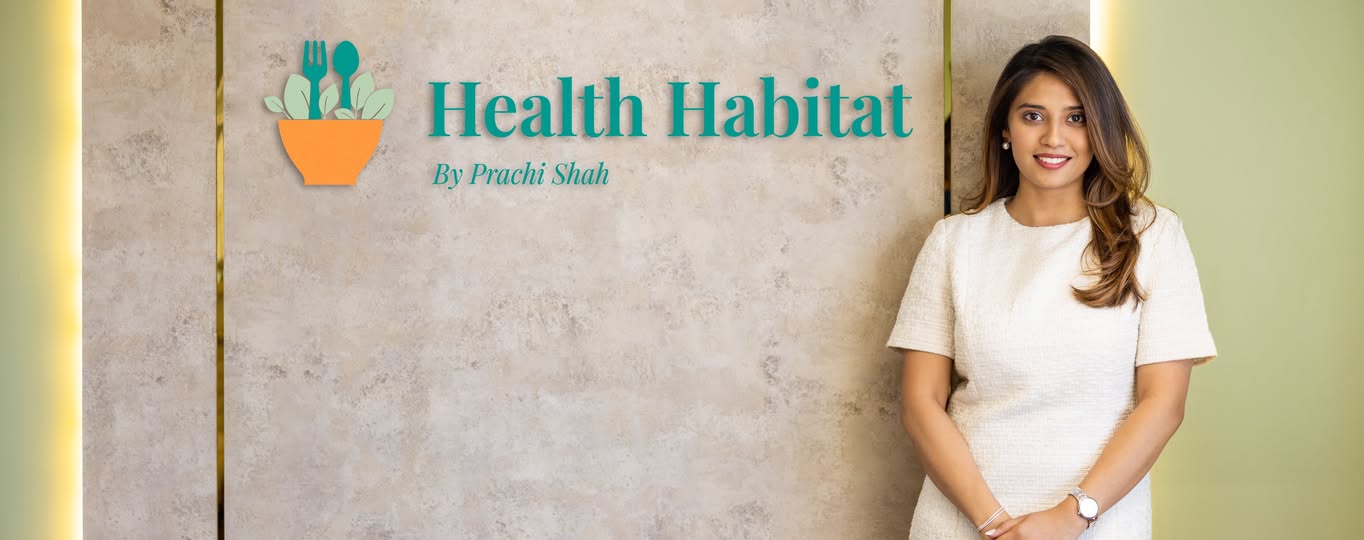
Prachi Shah – Best Dietician in Vadodara

Top Nutritionist in India for Weight Loss

Journey of a Clinical Nutritionist - Researcher - Entrepreneur - Food Enthusiast
Shah Prachi highlights rising PCOS cases among Indian women, exploring lifestyle, diet, and metabolic factors driving increased awareness and diagnosis.
VADODARA, GUJARAT, INDIA, June 24, 2026 /EINPresswire.com/ -- Health experts are seeing more Indian women coming to them with symptoms related to Polycystic Ovary Syndrome (PCOS), and this has led to discussions about lifestyle, diet, nutrition
plans, hormonal health, and early diagnosis. As awareness grows, diagnosis rates have improved, says nutrition and wellness educator Shah Prachi, who adds that the increasing number of instances also indicates larger health and lifestyle trends impacting women across age groups.The problem is receiving more attention as health care providers, dietitians, and researchers continue to explore the reasons leading to hormone imbalance among women in urban and semi-urban populations. PCOS causes irregular periods, weight gain, insulin resistance, difficulty becoming pregnant, and other metabolic problems, so doctors believe it’s more crucial to understand what’s behind it.
Growing Awareness Brings PCOS Into Public Focus
PCOS is one of the most commonly diagnosed hormonal abnormalities in women of reproductive age. But most health specialists feel the actual number could be even higher, as symptoms related to diet for hormonal imbalance are often misdiagnosed or missed entirely for other health issues.
In recent years, social media conversations, health campaigns, and greater access to health information have led more women to seek medical evaluation. This has resulted in more diagnoses and more public awareness of the disorder.
Awareness alone cannot explain the increase, Shah Prachi said. There is increasing evidence that lifestyle factors such as changes in eating habits, stress, sleep quality, and physical exercise may possibly be affecting women’s hormonal health on a wider scale.
Researchers Continue Exploring the Cause of PCOS in Women
There is no single cause of PCOS,” says medical professionals. It is considered to be caused by a mix of genetic, hormonal, metabolic, and environmental variables, which is why many women choose to consult a nutritionist online for personalized dietary guidance.
The cause of PCOS in women is still a topic of ongoing research. Genetics may play a role in vulnerability, but research has increasingly focused on insulin resistance, chronic inflammation, and lifestyle-related risk factors that may contribute to hormonal disruption.
Many women diagnosed with PCOS have increased levels of insulin, which can impact hormone synthesis and disrupt ovarian function. This has encouraged healthcare professionals to consider the larger picture of metabolic health when assessing patients.
The cause of PCOS in women is particularly pertinent given the rising rates of obesity, sedentary lifestyles, and metabolic diseases in many sections of the country.
Lifestyle Changes May Be Influencing Hormonal Health
Several studies have suggested that modern lifestyle choices could be a contributing factor to illnesses related to hormonal imbalance. Long working hours, increased screen exposure, diminished physical activity, irregular mealtimes, and poor sleep quality are becoming more prevalent in both urban and rural populations.
According to health professionals, these factors can alter stress hormones, insulin sensitivity, and overall metabolic functioning. In other cases, they may not be the actual cause of PCOS, but they can create environments that make women who are already genetically inclined more so.
Experts also refer to the increase in intake of highly processed meals and sugary drinks as possible factors in the metabolic problems associated with hormonal abnormalities.
Nutrition Emerges as a Major Area of Interest
As awareness increases, nutrition has become one of the most discussed components of PCOS care. Healthcare experts often encourage balanced eating habits in conjunction with medical evaluation and treatment programs.
Shah Prachi has seen that more women are asking for advice on diets for women with PCOS as they try to comprehend the link between nutrition and hormonal health, often seeking guidance from an experienced dietitian in Ahmedabad.
There’s no one-size-fits-all diet plan, but experts tend to recommend strategies that help stabilize blood sugar levels, meet nutrient needs, and encourage sustainable ways of eating. These guidelines generally include whole grains, vegetables, fruits, healthy fats, and quality sources of protein. With the increase in research on insulin regulation and symptom management, there is also an increase in interest in PCOS for women’s diets.
Weight Management Remains an Important Consideration
Many healthcare professionals describe weight management as one part of a wider health approach for women living with PCOS. Being overweight can contribute to insulin resistance, which can make some symptoms of the condition worse.
As a result, many women seek information regarding a weight loss diet for PCOS women that aligns with medical recommendations and long-term health goals.
Experts caution against restrictive eating patterns or rapid weight-loss programs. Instead, sustainable dietary approaches that support gradual lifestyle improvements are generally viewed as more beneficial for long-term metabolic health.
Research continues to suggest that even modest improvements in weight management may positively influence insulin sensitivity and hormonal balance in some individuals.
The Role of Preventive Health and Early Intervention
Healthcare experts are increasingly emphasizing the need for early recognition of symptoms rather than waiting for consequences to appear. Early management could help women better control symptoms while addressing linked metabolic issues before they worsen.
A healthy diet for PCOS women is often part of a holistic approach that may also involve physical activity, sleep optimization, stress management, and medical monitoring. Experts point out that lifestyle changes are typically best when customized to specific health needs, as opposed to following overall trends.
“Education is still one of the most powerful tools for women who are struggling with hormonal health,” Shah Prachi said. When we understand how nutrition, movement, and general wellness intersect, we can make better decisions.
Why This Matters Today
The rising discussion about PCOS reflects bigger public health issues around metabolic health, nutrition, and lifestyle-related illnesses. Healthcare professionals feel that with rising diagnosis rates and more women searching for answers on hormonal health, public awareness will be crucial in promoting earlier action.
The topic extends beyond the treatment of symptoms and underlines the relevance of preventive healthcare practices. As the understanding grows that long-term wellbeing requires a holistic strategy that combines medical care, nutrition, and lifestyle support, so has the interest in a healthy diet for PCOS women and a weight reduction diet for PCOS women.
With rising interest from researchers, doctors, and public health advocates, PCOS is becoming an important health issue and may shape future conversations on women’s health in India.
About Shah Prachi
Shah Prachi is a nutrition and wellness educator focused on helping individuals better understand the relationship between nutrition, lifestyle habits, and long-term health outcomes. Through educational resources and health-focused content, Shah Prachi contributes to discussions surrounding preventive wellness, balanced nutrition, and evidence-based lifestyle practices.

No comments:
Post a Comment