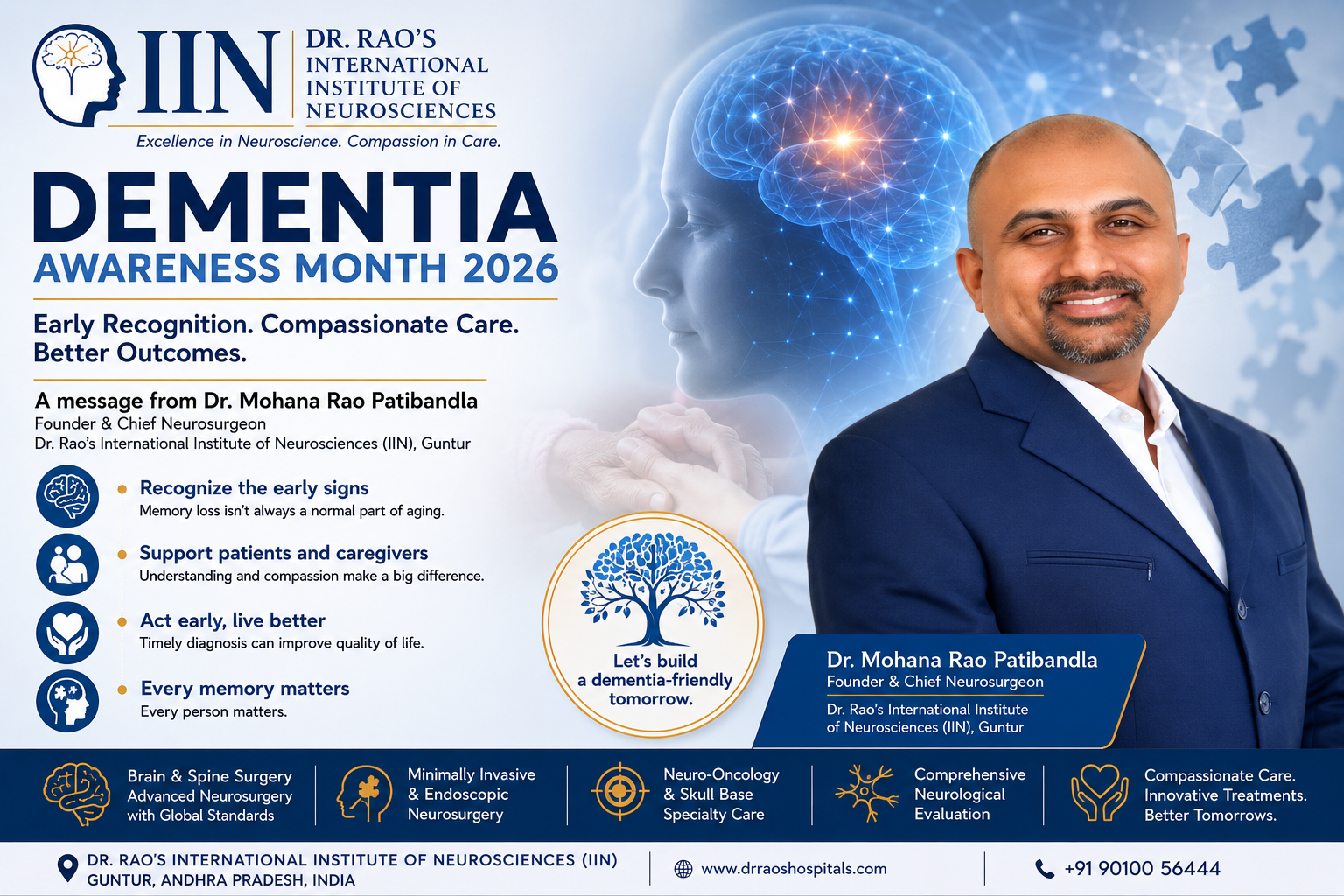
Dementia Awareness Month 2026: Dr. Mohana Rao Patibandla highlights the importance of early diagnosis, caregiver support, and comprehensive neurological care at Dr. Rao's International Institute of Neurosciences (IIN), Guntur.
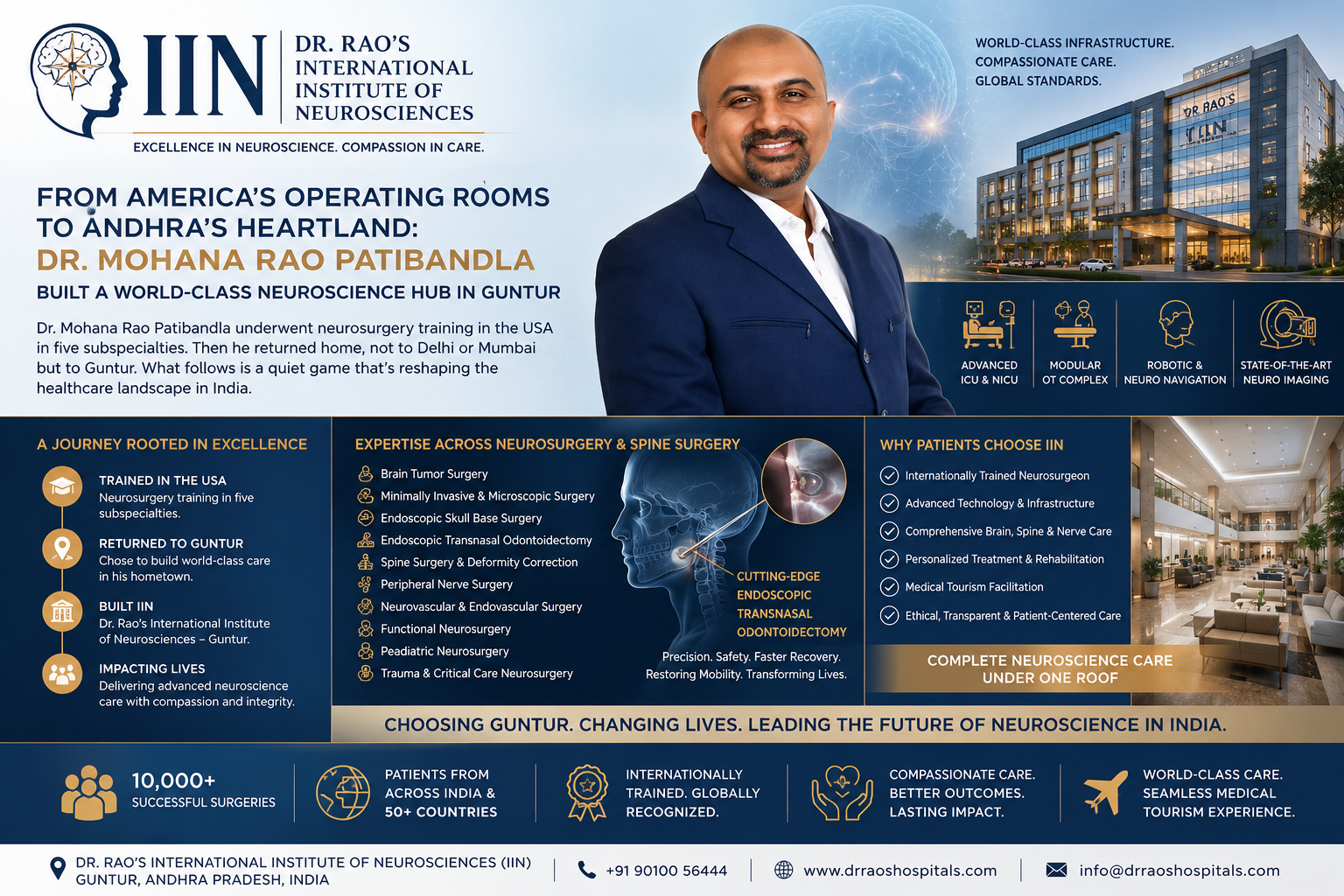
From America's operating rooms to Andhra's heartland—Dr. Mohana Rao Patibandla's journey to establish Dr. Rao's International Institute of Neurosciences (IIN), bringing world-class brain, spine, and neurological care to Guntur, India.
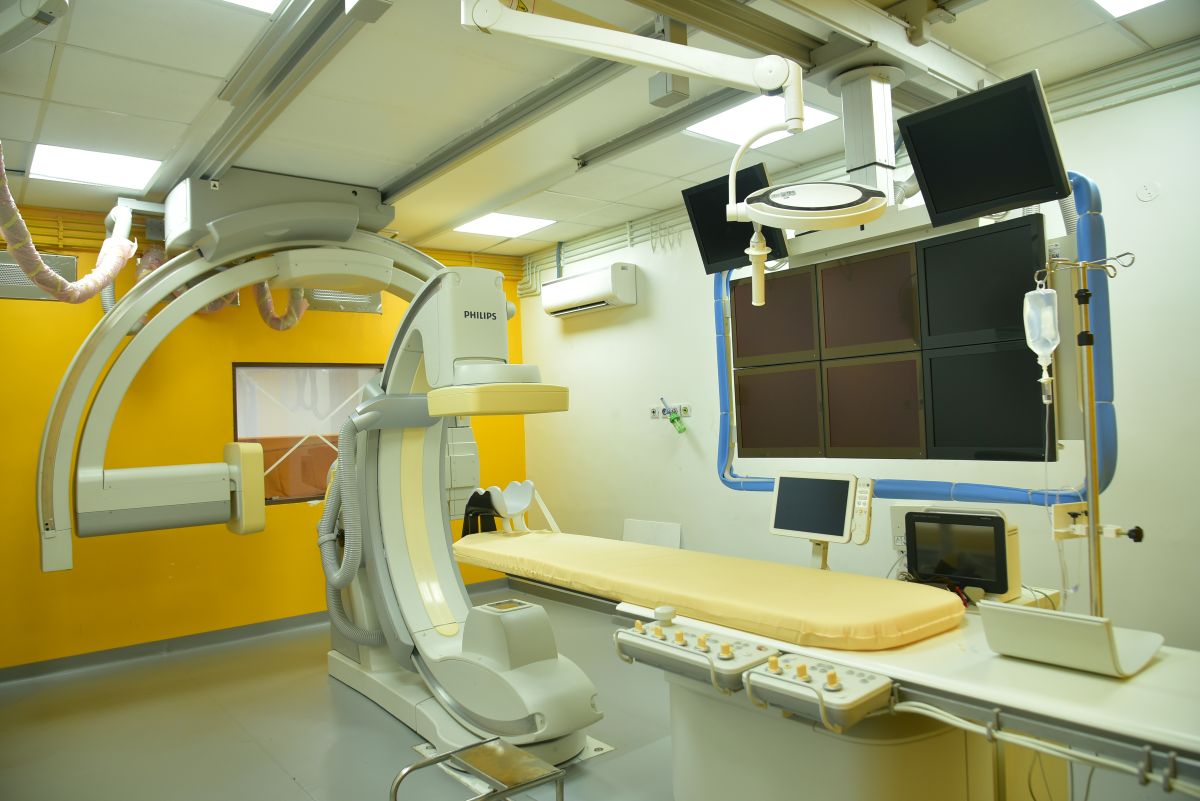
The advanced biplane cath lab at Dr. Rao's Hospital, designed for precision neurovascular procedures and minimally invasive surgeries, first in Andhra Pradesh and Telangana in India.
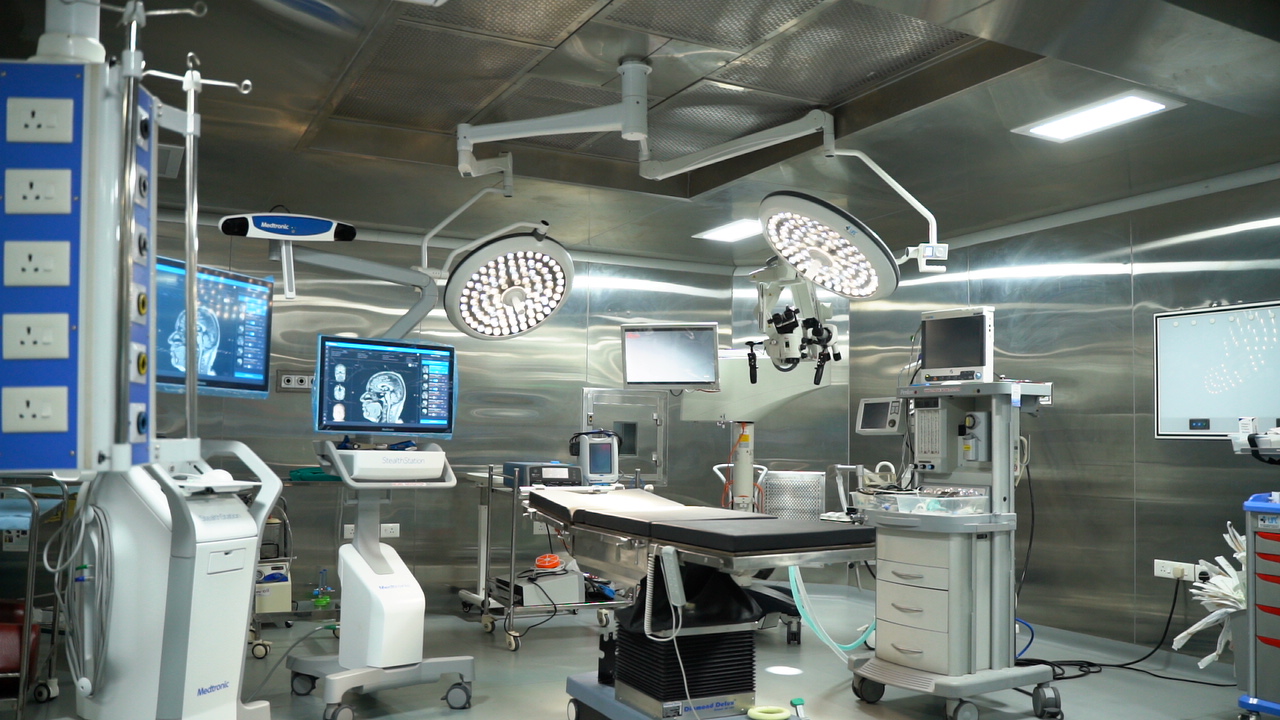
The high-tech neurosurgery operating room at Dr. Rao's Hospital, Guntur featuring advanced imaging and navigation systems for precise brain and spine surgeries.
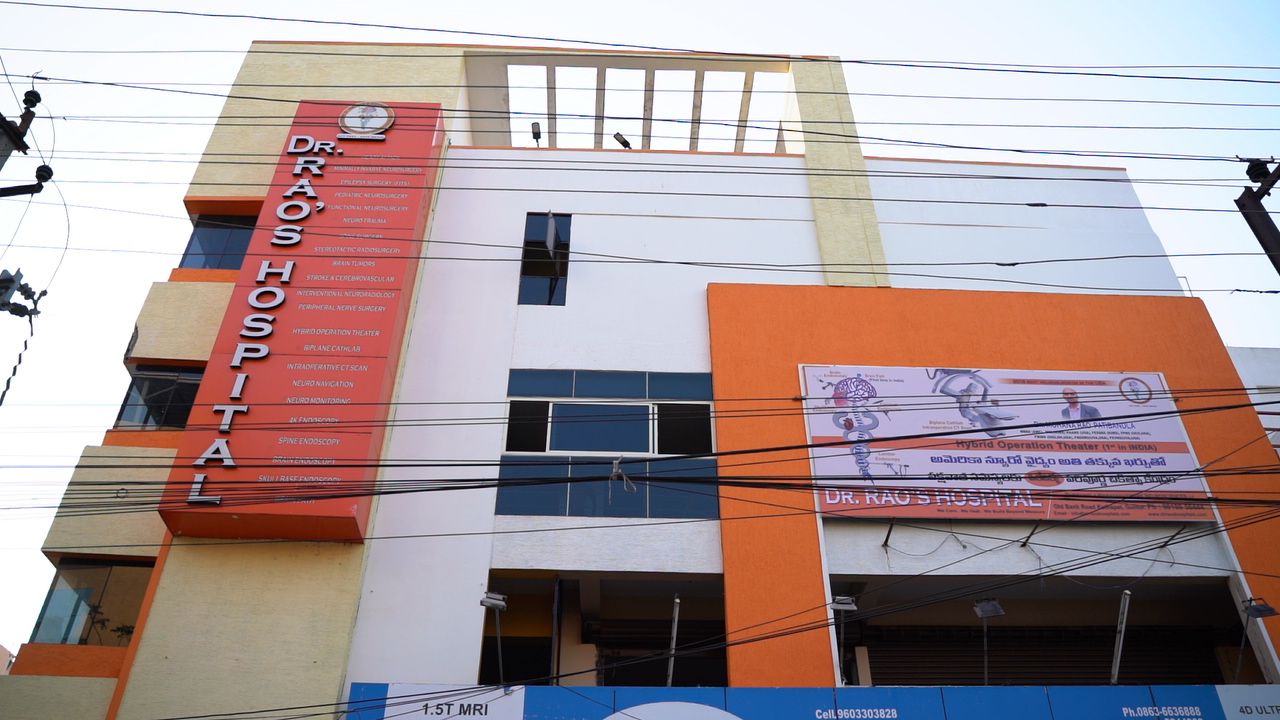
Dr Rao's Hospital - the best neurology hospital in Guntur
As dementia cases rise worldwide, Dr. Rao’s IIN, Guntur, urges families to recognize early warning signs and seek timely neurological evaluation
GUNTUR, ANDHRA PRADESH, INDIA, June 16, 2026 /EINPresswire.com/ -- Dementia Awareness Month 2026 serves as a timely reminder that memory loss is not always a normal part of aging. Dr. Mohana Rao Patibandla, Founder of Dr. Rao's Hospital –
International Institute of Neurosciences (IIN), Guntur, is calling for greater public awareness, earlier diagnosis, and stronger support systems for individuals and families affected by dementia.Dementia has emerged as one of the world's most significant neurological and public health challenges. According to the World Health Organization, more than 57 million people worldwide are living with dementia, with nearly 10 million new cases diagnosed every year. Alzheimer's disease accounts for approximately 60–70 percent of all dementia cases.
"Many families dismiss the earliest symptoms of dementia as simple aging," said Dr. Mohana Rao Patibandla, Founder of Dr. Rao's Hospital – International Institute of Neurosciences (IIN), Guntur. "However, persistent memory problems, confusion, personality changes, difficulty finding words, or challenges performing routine tasks may be warning signs of an underlying neurological disorder that deserves medical attention."
Dementia: More Than Memory Loss
Dementia is not a single disease but a group of disorders that affect memory, thinking, behavior, judgment, and the ability to perform everyday activities. While Alzheimer's disease is the most common form, vascular dementia, Lewy body dementia, and frontotemporal dementia also contribute significantly to the growing burden of neurological disease.
The condition develops gradually and often progresses silently for years before becoming obvious. Early symptoms may include:
• Forgetting recently learned information
• Repeatedly asking the same questions
• Difficulty managing finances or medications
• Confusion regarding dates, time, or familiar locations
• Changes in mood, personality, or social behavior
• Difficulty finding words during conversations
• Reduced ability to make decisions or solve problems
Because these symptoms often develop slowly, many patients remain undiagnosed until the disease has significantly progressed.
Why Early Diagnosis Matters
Neurologists emphasize that early diagnosis does not simply provide a label—it creates an opportunity.
Early identification allows patients and families to:
• Understand the cause of symptoms
• Access appropriate medical treatment
• Manage risk factors that may accelerate cognitive decline
• Plan future healthcare decisions
• Improve safety and quality of life
• Participate in cognitive rehabilitation and supportive therapies
"While we do not yet have a definitive cure for most forms of dementia, we have numerous ways to improve quality of life and help patients maintain independence for longer periods," Dr. Rao explained. "The earlier we intervene, the better we can support both patients and caregivers."
The Hidden Burden on Families
Dementia affects far more than the individual patient. Family members often become full-time caregivers, managing medications, appointments, nutrition, mobility, safety, and emotional support.
The emotional toll can be overwhelming. Watching a loved one gradually lose memories, independence, and cognitive abilities is one of the most challenging experiences families can face.
"Caregivers are the unsung heroes of dementia care," Dr. Rao said. "They need education, emotional support, and guidance just as much as the patient. A strong support system can significantly improve outcomes for everyone involved."
Can Dementia Be Prevented?
Although aging remains the strongest risk factor, research increasingly suggests that certain lifestyle modifications may help reduce the risk of cognitive decline.
Neurological experts recommend:
• Regular physical activity
• Control of hypertension and diabetes
• Smoking cessation
• Healthy nutrition
• Adequate sleep
• Social engagement
• Lifelong learning and cognitive stimulation
• Hearing and vision care
• Management of depression and stress
Maintaining brain health throughout adulthood may contribute to a lower risk of developing dementia later in life.
Advances in Neuroscience Offer New Hope
Recent advances in neuroscience have improved the ability to diagnose cognitive disorders earlier than ever before. Modern neurological evaluation may include detailed cognitive assessments, advanced neuroimaging, laboratory investigations, and specialized memory testing.
At Dr. Rao's Hospital – International Institute of Neurosciences (IIN), patients with memory complaints undergo comprehensive neurological evaluation designed to identify reversible causes of cognitive decline and differentiate among various forms of dementia.
"Our goal is not simply diagnosis," Dr. Rao noted. "Our goal is to help patients maintain dignity, independence, and quality of life for as long as possible."
A Message for Dementia Awareness Month 2026
As Dementia Awareness Month 2026 is observed globally, Dr. Rao urges families not to ignore persistent cognitive changes.
"If you notice memory problems, confusion, personality changes, or declining daily function in a loved one, do not assume it is simply old age," Dr. Rao said. "Seek professional evaluation. Early recognition can make a profound difference in treatment planning, patient wellbeing, and family support."
Awareness remains one of the most powerful tools in the fight against dementia. By recognizing symptoms early, reducing stigma, and supporting affected families, communities can help improve the lives of millions living with cognitive disorders.
About Dr. Mohana Rao Patibandla
Dr. Mohana Rao Patibandla, Founder of Dr. Rao's Hospital – International Institute of Neurosciences (IIN), Guntur, is an internationally trained neurosurgeon specializing in brain, spine, endovascular, skull base, functional, and minimally invasive neurosurgery. He is committed to advancing neuroscience care through innovation, education, research, and patient-centered treatment.

No comments:
Post a Comment